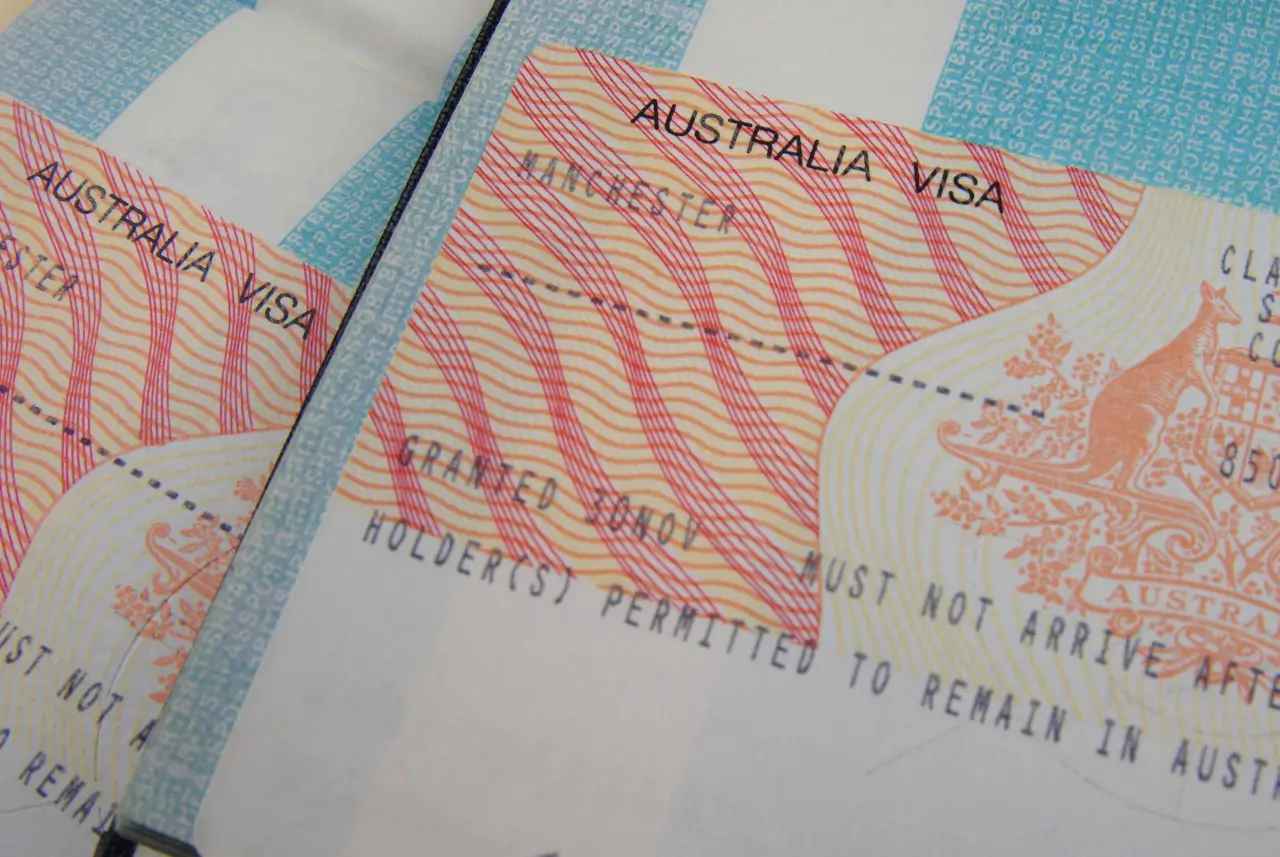
Skilled visas allow migrants to fill skill shortages in Australia on temporary or permanent visas.
Frequently Asked Questions
How are skills shortages determined?
The Australian Government identifies skills shortages through regular labour market analysis conducted by the Jobs and Skills Australia and other agencies. This includes:
- Employment trends and vacancy data
- Industry consultation
- Regional workforce needs
- Migration program planning levels
Based on this analysis, the Department of Home Affairs updates the Skilled Occupation Lists, which determine eligibility for skilled visas.
Invitation-based visas
Most skilled visas under the General Skilled Migration (GSM) program and National Innovation Visa (NIV) program are invitation-based. This means you must first:
- Submit an Expression of Interest (EOI) through the Department’s SkillSelect or webform for NIV
- Be invited to apply based on your points score, occupation, and other eligibility criteria
Factors that influence your points score for the GSM program include:
- Age
- English language proficiency
- Skilled employment experience
- Educational qualifications
- Partner skills
- State or family nomination (for regional visas)
Our migration lawyers can help you assess your points, prepare your EOI, and maximise your chances of receiving an invitation.
Understanding the GSM Occupation Lists
Australia uses three key occupation lists to determine eligibility for skilled independent and points based visas:
1. Medium and Long-term Strategic Skills List (MLTSSL)
Occupations on the MLTSSL are in high demand across Australia. If your occupation is on this list, you may be eligible for a wider range of visa options, including:
- Skilled Independent visa (subclass 189)
- Skilled Nominated visa (subclass 190)
- Skilled Work Regional (Provisional) visa (subclass 491): both family-sponsored and state-nominated streams
- Temporary Graduate visa (subclass 485): Post-Vocational Education Work stream
2. Short-term Skilled Occupation List (STSOL)
Occupations on the STSOL are in demand but generally offer more limited visa options. You will typically need state nomination, and pathways to permanent residency are more restricted.
The STSOL supports:
3. Regional Skilled Occupation List (RSOL)
The RSOL includes occupations that are in demand specifically in regional areas. If your occupation is on this list, you may be eligible for:
- Skilled Work Regional (Provisional) visa (subclass 491): either state-nominated or family-sponsored
The RSOL is designed to support regional development and encourage skilled migration outside of major metropolitan areas.
Temporary vs permanent skilled visas
Skilled visas can be:
- Temporary residence (TR): e.g. subclass 485, 491, 489
- Permanent residency (PR): e.g. subclass 189, 190, 191
Many temporary skilled visas offer a pathway to permanent residency. Our migration lawyers can assess your eligibility and guide you on the most strategic route to PR, whether that means applying directly for a permanent visa or starting with a temporary option.
If you have questions about skilled visas, how to apply or eligibility requirements, book a free 10 minute consultation with one of our immigration lawyers.